From Crust to Filling: Secrets of a Great Pie Shop
A great pie shop does not happen by accident. It is built from dozens of small decisions, many of which customers never see. They taste the result in a crust that shatters instead of slumping, in fruit filling that tastes like fruit rather than sugar, and in the simple confidence of a slice served at the right temperature. The best places make it look easy. Anyone who has worked behind the counter or near the oven knows it is anything but easy.
Pie is deceptively simple. Flour, fat, water, salt. Fruit, cream, nuts, sugar, eggs. A pan, an oven, a cooling rack. Yet every one of those pieces can go right or wrong. A shop can have beautiful branding and still sell a pie with a soggy bottom. It can buy top-grade fruit and bury it under a gluey thickener. It can produce technically correct pies and still feel lifeless because the room is poorly lit, the coffee is stale, or the staff handles each guest like a transaction instead of a host greeting someone into a kitchen.
The shops people return to, week after week, understand that pie is both a product and an atmosphere. They pay attention to texture, proportion, temperature, timing, and hospitality with the same seriousness. That balance is the real secret.
The crust tells the truth
If you want to know whether a pie shop understands its craft, start with the crust. Not the decorative edge, not the sugar on top, not the glossy finish. Cut into it and listen. Bite into it and feel what happens. Good crust has structure and tenderness in the same bite. It holds a slice upright without eating like cardboard. It flakes, but it does not disintegrate into dry dust across the plate.
That balance comes from restraint and repetition. Too much handling develops gluten and makes the dough tough. Too little hydration and it crumbles before it can be rolled. Too much water and it bakes up firm rather than delicate. The fat matters, of course, but the real skill lies in managing temperature and mixing. Cold dough gives a baker options. Warm dough takes them away.
Many customers have strong opinions about butter versus shortening versus lard, and there are good arguments for each. Butter delivers flavor most people recognize immediately. Lard can create exceptional flake and tenderness when used well. Shortening offers consistency and handling ease, especially in a busy production setting. In practice, many excellent bakers blend fats to get the best of each. Purity is less important than performance. A pie shop that quietly uses a mixed-fat dough and turns out reliable, delicious crust every day is doing more for customers than one chasing ideals and serving inconsistent pies.
The bottom crust is where standards show. It is easy to hide flaws on top. You can lattice over a filling, brush on cream, scatter sugar, and sell a pretty pie. The underside gives you nowhere to hide. A pale, damp, underbaked bottom usually means the shop is prioritizing speed, volume, or appearance over eating quality. The best bakers think about pan material, deck position, bake profile, and filling moisture before the pie ever enters the oven. They know that a berry pie and a pumpkin pie do not ask the same thing of a crust.
There is also judgment involved. Not every pie should have the same crust. A deep-dish apple can carry a sturdier shell. A silky chocolate cream pie benefits from a crust that stays crisp but does not compete. A savory chicken pie needs a top crust that vents steam well and a base that resists gravy seepage. Great pie shops understand crust not as a single recipe, but as a system.
Filling should taste like its main ingredient
This sounds obvious, yet it is where many shops miss the mark. Strawberry pie should taste unmistakably of strawberry. Peach should taste floral, ripe, and slightly tangy when the fruit calls for it. Pecan pie should taste of toasted nuts and caramelized sweetness, not just corn syrup. Cream pies should taste like dairy, chocolate, coconut, banana, or lemon, not just sugar and thickener.
The temptation in any bakery is to standardize aggressively. Standardization is necessary to some extent. It controls waste, labor, and consistency. But a good pie shop knows the difference between a useful formula and a deadening one. Fruit changes. A blueberry harvest in early summer does not behave like one in late August. Apples vary in sweetness, juiciness, and firmness. Even lemons swing in intensity. If a shop uses the same sugar and starch ratio every day, the pies may look consistent, but they rarely eat that way.
The best fillings show a light hand. They are sweet enough, not aggressively sweet. They are thick enough to slice, not so stiff they resemble gel. They hold shape on a plate but still feel alive. That takes experience. Fruit pies often need less thickener than inexperienced bakers think, especially if the fruit is macerated properly and excess liquid is managed. Cream fillings need enough structure to set cleanly, but overcooking can flatten flavor and produce a pasty mouthfeel. Custards demand patience because the line between silky and curdled is narrow.
One of the clearest signs of a serious pie shop is that it accepts variation when variation reflects the ingredient. If the peach pie is a little looser one week because the peaches are especially juicy, that can be the mark of honesty, not failure. Customers are often more forgiving than owners assume, particularly when the flavor is excellent. A pie that tastes deeply of August fruit earns more goodwill than one engineered into bland perfection.
Sweetness is a matter of discipline
Shops often lose confidence here. Sugar is cheap, comforting, and easy to measure. It can mask mediocre fruit and smooth over rough edges in technique. It also flattens nuance. Once a pie becomes too sweet, everything else gets harder to notice.
A disciplined pie shop treats sweetness as support, not the lead performer. In fruit pies, sugar should sharpen and round the fruit, not dominate it. In chocolate pies, it should carry bitterness, not erase it. In lemon pies, it should soften acidity while preserving the clean, bright cut people expect. That kind of restraint is harder to maintain than people realize because sweetness changes with serving temperature and with context. A chilled pie tastes less sweet than a warm one. A slice eaten after black coffee reads differently than one eaten after a sugary latte.
This is where tasting matters. Not casual tasting, not the occasional forkful from a trim tray, but systematic tasting at different stages and temperatures. The pie that seemed balanced warm from the oven may become cloying once cooled. The pecan pie that felt restrained at room temperature may taste almost dry after refrigeration. Great shops taste like cooks, not just bakers. They notice the whole eating experience.
Texture is the second half of flavor
A pie can have fine ingredients and still disappoint if the texture is wrong. People tend to talk about flavor first, but texture is often what decides whether someone orders a second slice. Think about the things customers say when they are genuinely pleased. They talk about flaky crust, silky custard, tender apples, toasted topping, crisp edges. Those are textural words.
Texture depends on dozens of small choices. Apples sliced too thin can collapse into mush. Cut too thick, they stay oddly separate and stiff. Berries need enough heat to burst and release juice, but not so much that they vanish into a uniform paste. Coconut cream filling should be lush, not rubbery. Meringue should be cloudlike on top and fully sealed at the edge to prevent weeping. Even whipped cream matters. Freshly whipped cream with a little restraint in sugar tastes cleaner and supports the pie better than canned topping ever will.
A strong pie shop treats each style as its own craft. It does not apply one production mindset to every category. Fruit pies ask for control of moisture. Custard pies ask for gentleness and carryover awareness. Cream pies ask for precision in chilling and assembly. Savory pies demand seasoning discipline because richness without contrast turns dull fast.
The display case is a promise
The front case does more than show what is available. It teaches customers what kind of shop they are in. A case full of pies with burnt rims, weeping fillings, or torn crusts suggests haste and indifference. A case where every pie looks airbrushed and overly uniform can suggest the opposite problem, a product designed for display rather than eating. The sweet spot is abundance with integrity.
Some of https://anotepad.com/notes/3mgsqaq2 the most persuasive pie cases I have seen were not perfect in a magazine sense. There might be a berry bubble that escaped a vent, a rustic crimp that looked hand-finished rather than machine-pressed, a crumb top that fell irregularly. Those small imperfections often reassured customers that actual bakers were at work. What mattered was that the imperfections looked edible and intentional, not careless.
Temperature control in the case matters more than many owners think. Fruit pies are forgiving. Cream pies are not. Custards can suffer from both over-chilling and poor turnover. If the display looks generous but the slices have been sitting too long, the first customer may be happy and the last one disappointed. Great pie shops manage this by balancing whole pies, pre-cut slices, and production timing rather than simply filling every shelf.
Hospitality can rescue a slow day, but not a bad pie
People remember how they were treated. They also remember if the pie was worth the trip. The best shops deliver both, and they know one cannot permanently substitute for the other.
At a strong pie shop, staff can answer basic questions without sounding rehearsed or defensive. They can explain whether a crust contains butter, whether a filling is especially tart, whether a pie is best served warm, room temperature, or chilled. They can make a recommendation based on preference rather than inventory pressure. That kind of service feels human because it is human. It comes from tasting the product and caring enough to notice differences.
There is a practical side to this as well. Pie shops attract a wide range of customers, some buying a holiday centerpiece, some grabbing a weekday slice, some choosing dessert for a crowd with allergies or strong opinions. Good service helps people buy well. It prevents the classic mistake of sending home a delicate cream pie for a long car ride in summer or recommending a very sweet option to someone asking for something fruit-forward and not too rich.
A memorable pie shop usually has a distinct service rhythm. Orders move steadily, but no one feels rushed out of asking a question. The room smells clean. Coffee is fresh. Plates are sturdy enough to support a generous slice. Forks do not snap. Water is cold. None of this is glamorous. All of it matters.
Seasonality is not marketing copy
Seasonality has become a buzzword in food, but in a pie shop it has a practical meaning. Good ingredients behave differently across the calendar, and the menu should reflect that reality. A peach pie in peak season can be a revelation. The same pie made from indifferent fruit in the dead of winter is often expensive disappointment.
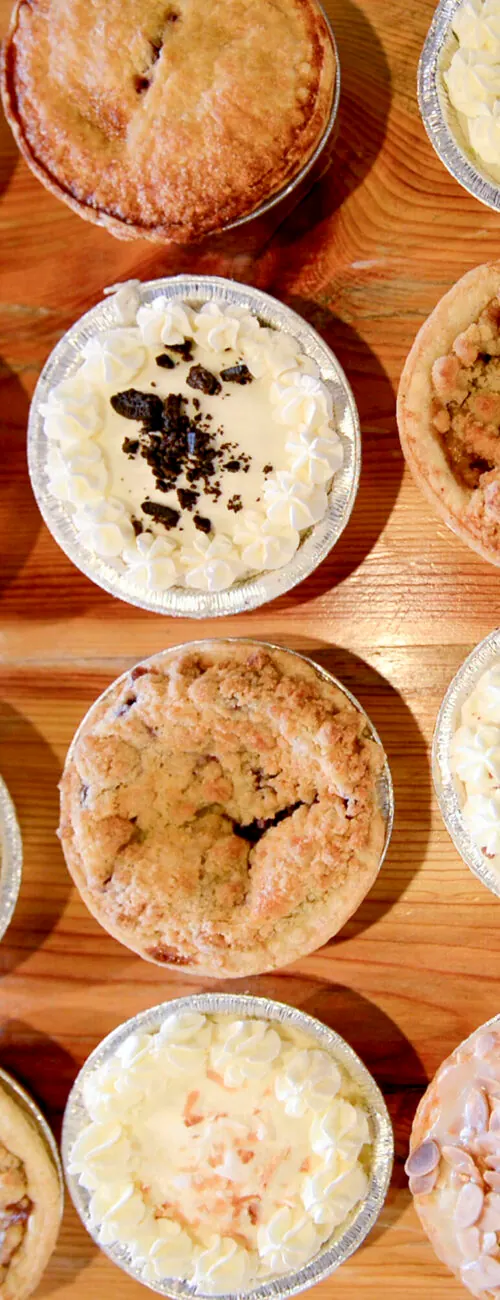
This does not mean a shop must reinvent the case every week or refuse all nonlocal ingredients. Customers often come back for signature pies precisely because they are reliable and available. But a great shop distinguishes between year-round staples and seasonal high points. Apple, chocolate cream, coconut cream, pecan, chess, and key lime can anchor a menu beautifully. Seasonal pies then provide freshness, urgency, and delight without forcing the shop into chaos.
There is also wisdom in knowing when not to make a pie. Some fruits simply do not reward the labor unless they are at their best. A disciplined owner can say no to a weak seasonal item and protect the shop’s reputation. That restraint often matters more than chasing novelty.
One holiday season, I watched a bakery try to expand from eight dependable pies to nearly twenty because management wanted more preorder categories. On paper, it looked smart. In practice, the pastry team stretched too thin, the ovens ran hot and crowded, and several fillings were clearly under-tested. Customers had more choices, but not more satisfaction. The next year they trimmed the menu, tightened execution, and sold out earlier with far fewer complaints. Range is not the same as strength.
The business side shapes the slice
Romance can obscure the math of pie. Butter is expensive. Nuts are expensive. Good fruit is expensive, and labor is very expensive when the work involves hand-rolling dough, peeling apples, blind baking shells, cooking fillings, cooling safely, slicing neatly, and serving throughout the day. A great pie shop survives because it respects margins without cheapening the product into mediocrity.
Portioning is one of the most overlooked disciplines. Too small, and customers feel shortchanged. Too large, and food cost spirals while the eating experience gets heavy. A well-cut slice is generous but not absurd. It should look satisfying on the plate and still encourage a forkful of curiosity for the next visit. This is one reason pie shops with strong coffee programs often perform better than people expect. Coffee does more than add revenue. It rounds out the experience and supports dessert pacing.
Waste management is another quiet differentiator. A professional shop plans around trim, day-part demand, and shelf life. It knows which pies can be sold by the slice deep into the afternoon and which are best held whole for preorders or sold within a tighter window. It repurposes carefully where quality allows, but it does not force tired product onto guests. There is a difference between thrift and denial.
Here are a few operational habits that often separate durable shops from struggling ones:
- They track bake times, yields, and sell-through by pie type rather than relying on intuition alone.
- They train staff to evaluate doneness visually and physically, not only by the clock.
- They build menus around what their ovens, refrigeration, and labor can truly support.
- They price for sustainability, even when that means being a little more expensive than a supermarket bakery.
- They protect signature items from shortcuts, because those items carry the brand.
None of this sounds romantic, but it is exactly what allows a pie shop to remain generous, stable, and good.
Signature matters, but range still counts
Every memorable pie shop has a point of view. Sometimes it is a particular crust style. Sometimes it is fruit-forward baking with restrained sweetness. Sometimes it is old-school diner slices served with serious coffee. Sometimes it is a regional identity, such as chess pies in the South, sour cherry in the Midwest, or savory hand pies in a market setting.
That signature gives customers a reason to remember the place. It creates coherence. Yet a shop still needs range. Not endless range, but enough breadth to satisfy different moods and occasions. A customer might come in craving comfort and leave with banana cream because the staff described it well. Another might need a pie for a dinner party and choose apple because it travels better than mousse-based options. A good menu gives those people a path.
The trick is to build variety without fragmentation. It is tempting to add every trending flavor, every holiday special, every internet-driven mashup. Most shops are better served by asking whether a new pie belongs to their identity and production reality. If a flavor sounds exciting but requires a separate set of ingredients, tools, and labor for modest demand, it may not be a smart addition. Customers can feel when a special is fully developed and when it is merely decorative.
Savory pies deserve equal respect
Many pie shops lean almost entirely into dessert, which makes sense. But a savory offering, even a small one, can reveal a lot about the kitchen’s standards. Savory pies expose seasoning habits, sauce control, and the shop’s ability to create richness without heaviness. They can also broaden the customer base beyond treat-seekers.
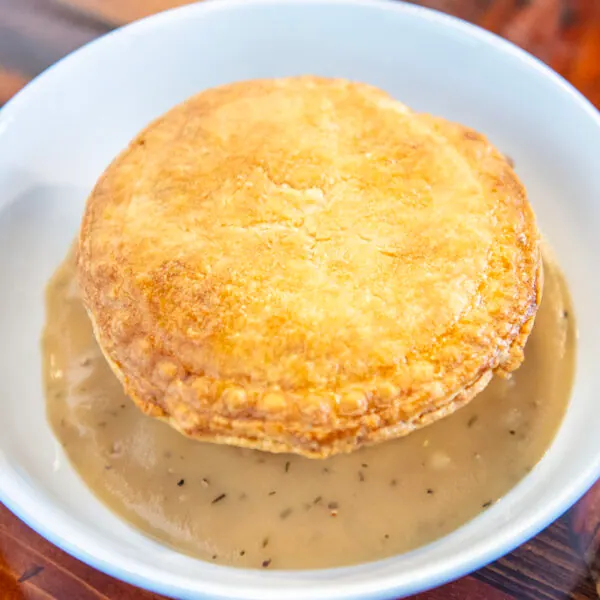
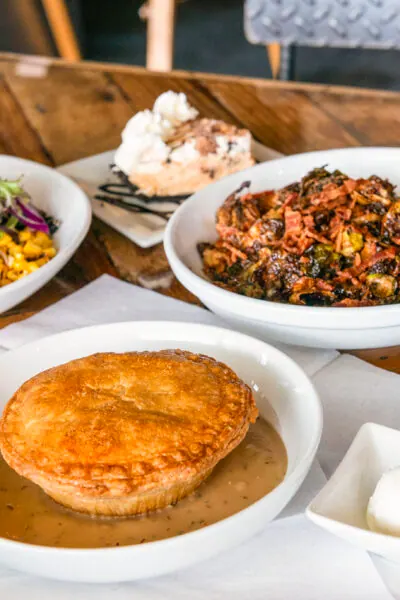
Chicken pie is a common benchmark because it sounds simple and is easy to get wrong. Too much roux and it eats pasty. Too much stock and it floods. Undercooked vegetables make the filling watery later. Overcooked chicken turns stringy. A well-made savory pie has distinct components held together by a coherent sauce, with enough black pepper, herbs, and salt to stay vivid against the crust.
Savory pies also challenge service systems. They need proper reheating, not a blast that burns the crust and leaves the center cool. They pair differently with beverages and often bring in lunch traffic, which changes staffing and timing. A shop that handles savory pies well usually has strong back-of-house organization.
The room itself teaches customers how to eat
A pie shop is not only an oven and a register. It is a room where people decide whether to linger, celebrate, or simply recharge. The physical environment shapes expectations. Bright daylight and clean counters encourage daytime pie and coffee. Warmer lighting and ceramic plates can make the same slice feel like dessert worthy of a date. Even the music matters more than some owners admit. Pie asks for a certain pace.
The best rooms are rarely overdesigned. They have enough warmth to feel personal and enough order to feel trustworthy. A visible pie pass or open kitchen can help, provided the workspace stays calm and clean. Guests like to see bakers working, but they do not want a performance. They want evidence of care.
A few details consistently improve the experience:
- Clear labels that describe flavor, not just names.
- Plates and forks that support clean serving.
- Seating that accommodates both quick visits and longer conversations.
- Boxes that protect crusts during transport.
- Staff guidance on storage and reheating for whole pies.
When those details are absent, the product has to work harder. When they are present, the pie gets the setting it deserves.
Reputation grows from consistency, not hype
A pie shop can attract a rush with novelty, social media, or a single viral item. It builds a reputation the old-fashioned way, by being reliably good. Consistency does not mean rigidity. It means that if someone buys a slice of apple on Tuesday and returns a month later, the shop still understands what made that slice worth remembering.
That kind of consistency comes from systems, but also from standards owners are willing to defend. They are willing to pull a pie that does not set properly. They are willing to stop selling slices if the texture has gone off. They are willing to say a product is sold out rather than pushing something below standard. Customers may grumble in the moment, but they learn what the shop stands for.
Word of mouth for bakeries often travels through very ordinary sentences. The crust is always good. Their lemon pie actually tastes like lemon. They do not make everything, but what they make is worth it. Those are powerful endorsements because they are specific and credible.
A great pie shop earns those sentences through craft, judgment, and discipline. It understands that crust is not a shell, filling is not an afterthought, and service is not separate from baking. Every slice carries the evidence. When a shop gets all of that right, people do not just buy dessert. They build rituals around the place. They stop in after work, bring visitors, order for holidays, and argue affectionately over the last slice. That is the clearest sign a pie shop has become something more than a business. It has become part of the local appetite.
3.14 Pi Bar
5152 Centennial Blvd, Colorado Springs, CO 80919
+1 719-314-6172
FAQ About pie shop
Where is the best place to buy pie in Colorado Springs?
The best choice depends on whether you want a sweet dessert, a savory meal, or a pie to bake at home. 3.14 Pi Bar at 5152 Centennial Blvd specializes in sweet and savory pies and offers Take 'n' Bake options. Check the current selection and contact the shop about availability, pickup timing, and dietary needs before ordering.
Who makes the best pot pies in Colorado Springs, CO?
Preferences vary by filling, crust, and portion size. 3.14 Pi Bar offers hearty savory pot pies alongside its sweet pies. Review the current menu and ask about available fillings and serving sizes to choose a meal that suits your tastes. Specific varieties may change.
Who has the best apple pie in Colorado Springs?
Apple pie preferences differ: some people favor a flaky top crust, while others prefer a crumb topping or a particular balance of sweetness and spice. 3.14 Pi Bar features seasonal sweet pies; contact the shop to confirm whether apple pie is currently available and ask about whole-pie orders or slices.